


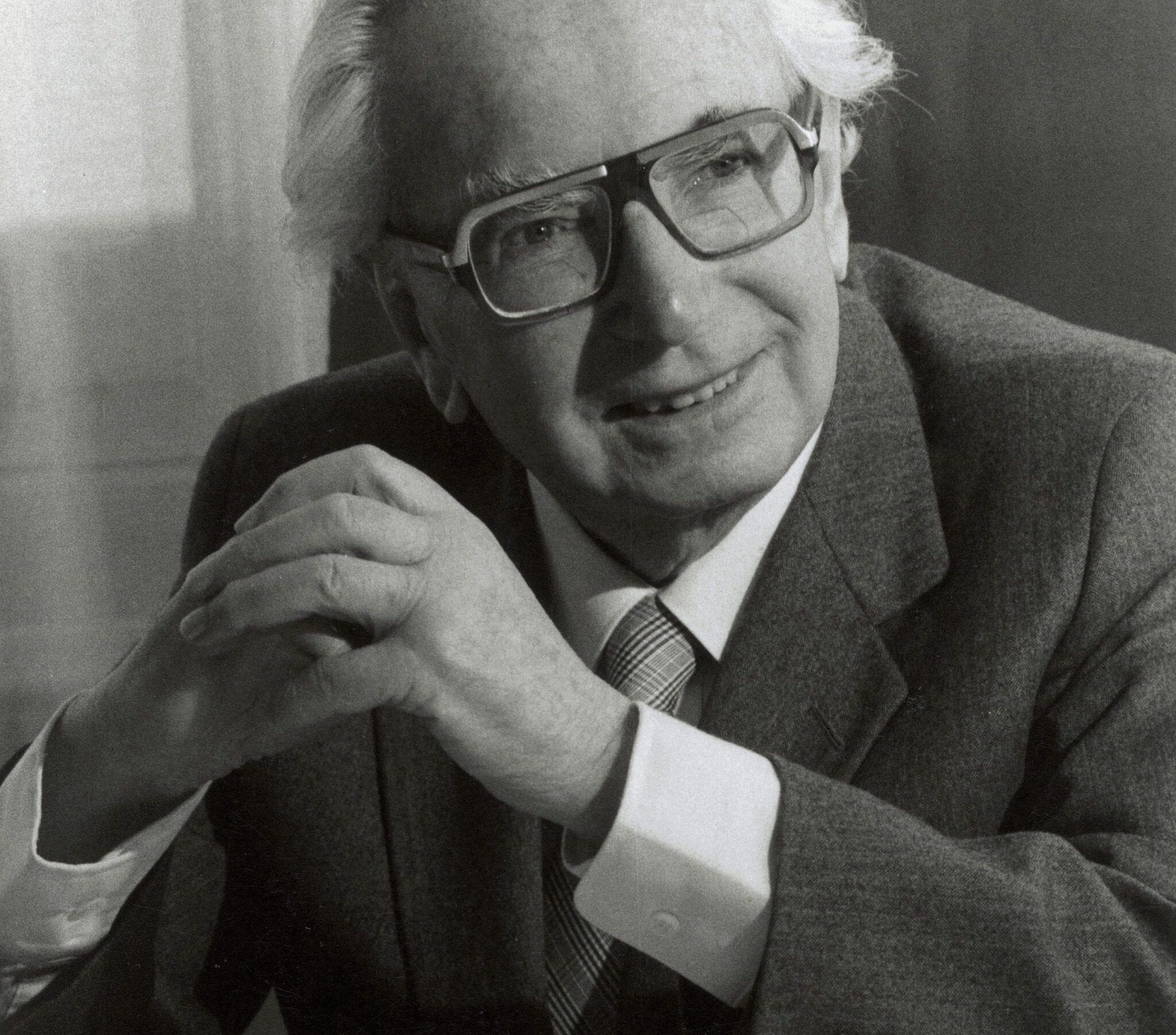
We live in a state of perpetual anticipation, as if our real lives are a future event we are patiently waiting to attend. This feeling—a quiet, gnawing sense that the main act has not yet begun—is one of the defining maladies of the modern soul. We treat the present as a mere dress rehearsal, a provisional period to be endured before the curtain finally rises on our authentic existence. But what if the curtain is already up?
Two titans of psychological thought, Viktor Frankl and Harry Stack Sullivan, diagnosed this condition decades ago, arguing from vastly different perspectives that this deferral of life is a profound existential error. They saw a world of people trapped in the waiting room of their own potential, and their insights offer a chillingly relevant blueprint for understanding why we feel so disconnected, unfulfilled, and perpetually on the verge of truly living.
The Architects of Meaning and Connection
Viktor Frankl and Harry Stack Sullivan both emphasized the importance of understanding the human experience and the necessity of finding meaning in life. Their respective philosophies highlight that many individuals may go through life as if “real life” has not yet begun, often caught in existential crises or interpersonal conflicts. Their work serves as a powerful critique of the modern tendency toward passivity and deferred engagement, suggesting that true fulfillment can only be discovered in the present.
Viktor Frankl’s Perspective: The Search for Purpose
Viktor Frankl, a prominent Austrian neurologist and psychiatrist, is best known for his development of logotherapy, a form of existential analysis. Frankl believed that even in the face of suffering and despair, individuals could find meaning in their experiences. He posited that the search for meaning is a primary motivational force in humans, asserting that individuals can endure almost any circumstance if they can find a purpose or significance within their suffering. Frankl’s insights are particularly relevant today, as many people grapple with feelings of disconnection and aimlessness in a rapidly changing world. He encouraged a shift in mindset from asking “What do I want from life?” to “What does life want from me?” This approach invites individuals to seek meaning in daily interactions and contributions rather than just in grand achievements.
Harry Stack Sullivan’s Contributions: The Interpersonal Crucible
Harry Stack Sullivan, an American Neo-Freudian psychiatrist, focused on interpersonal relationships as a cornerstone of personality development. He argued that an individual’s personality is formed within the context of their relationships with others, emphasizing the importance of social interaction in shaping one’s self-concept and emotional well-being. Sullivan identified several developmental epochs—infancy, childhood, adolescence, and adulthood—each characterized by evolving interpersonal dynamics and the increasing complexity of social relationships. His theories suggest that unresolved interpersonal issues can lead to feelings of isolation and emotional distress, which can prevent individuals from fully engaging with their lives. Both Frankl and Sullivan’s theories underscore the human capacity for growth and the need for meaningful connections, asserting that neglecting these aspects may lead to a life perceived as unfulfilled or inauthentic.
The Illusion of a ‘Real Life’ to Come
Viktor Frankl and Harry Stack Sullivan both explore the idea that many individuals exist in a state of anticipation, as if “real life” has not yet begun. This notion reflects a deep-seated human struggle to find meaning and purpose amidst the complexities of existence. Frankl, a psychiatrist and Holocaust survivor, asserts that the essence of life is not merely to seek happiness or success, but to respond meaningfully to the challenges and questions life presents to us. He emphasizes that individuals should focus less on what they expect from life and more on what life expects from them, suggesting that true fulfillment arises from taking responsibility for one’s own existence and the tasks that life sets forth.
Frankl posits that even in circumstances devoid of creativity or enjoyment,
