


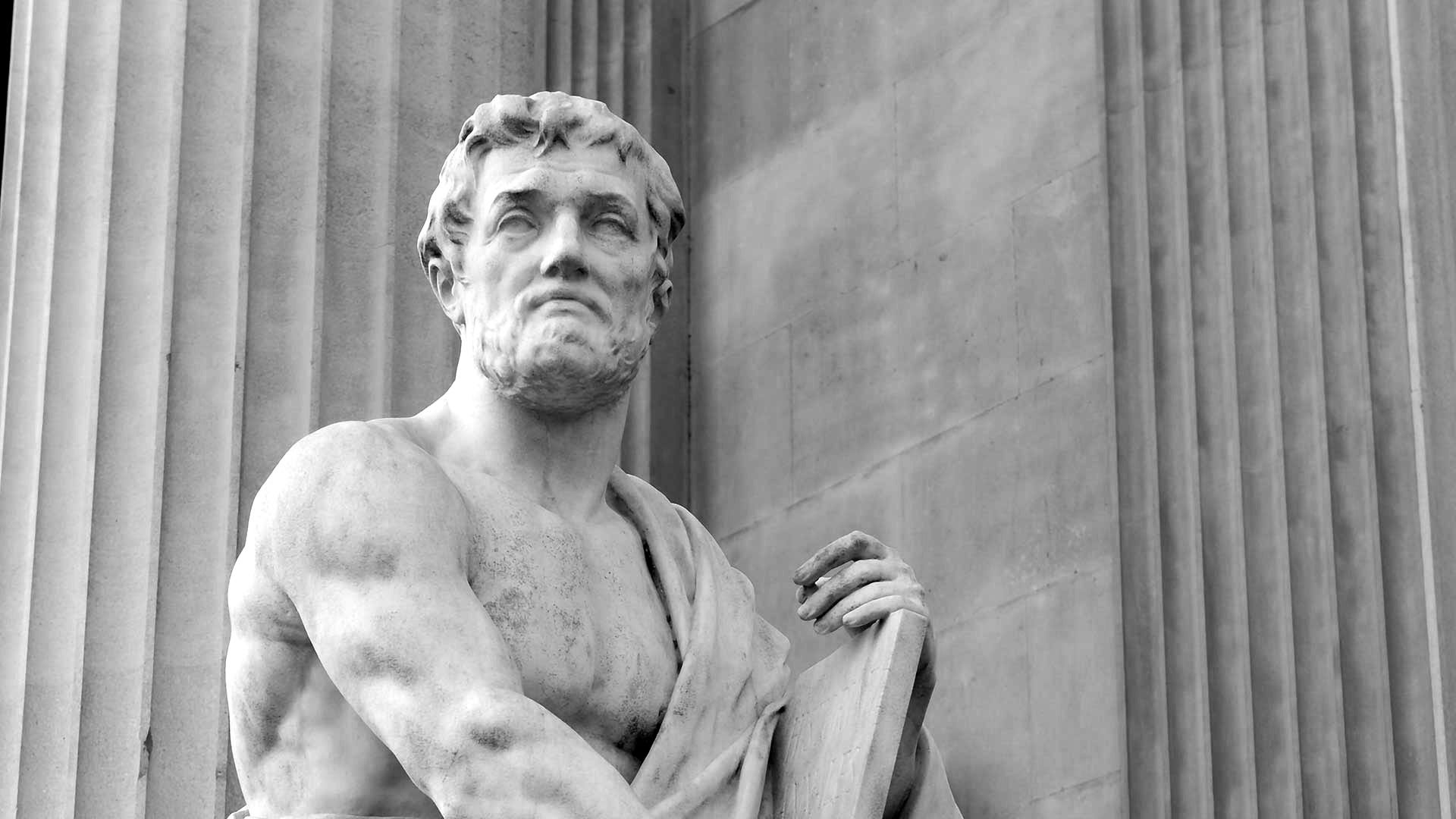
Imagine a world where power doesn’t just corrupt, but psychologically deforms. Where the very act of holding ultimate authority twists not only the leader but the entire fabric of society around them. This isn’t a dystopian fantasy; it’s a chilling reality meticulously documented two millennia ago by a Roman historian whose insights remain terrifyingly prescient.
Before Machiavelli ever penned a word on ruthless statecraft, Tacitus offered us a stark, unvarnished look into the abyss of absolute power, showing us how it doesn’t merely tempt, but fundamentally changes the human soul.
The Tyrant’s Twisted Mirror
Tacitus, writing amidst the reigns of emperors like Tiberius and Nero, wasn’t just chronicling events; he was performing a psychological autopsy on power itself. He saw rulers transform from ambitious statesmen into paranoid despots, consumed by suspicion and fear. Why does this happen?
What is it about unchecked authority that so profoundly reshapes the inner landscape of a human being? For Tacitus, power acted like a distorting mirror, amplifying insecurities, inflating egos, and isolating the leader in a self-made echo chamber. Every whisper became a plot, every dissent a treasonous act. The humanity that once resided within seemed to leach away, replaced by a ruthless pragmatism devoid of empathy.
Is it any wonder that such men, once so full of promise, often ended their reigns as monsters?
The Silent Deformation of Society
But Tacitus’s observations weren’t limited to the tyrant’s psyche. He meticulously detailed how this psychological deformation rippled outwards, infecting the entire body politic. When the head of state becomes paranoid and cruel, what happens to those around them? Fear, he showed, is an infectious disease.
Societies under tyranny undergo their own chilling metamorphosis:
Flattery Reigns Supreme: Truth becomes dangerous. Honest counsel is replaced by sycophancy, as courtiers learn that survival depends on praising even the most irrational whims.
Moral Compromise: Citizens are forced into impossible choices. Do you speak out and risk everything, or stay silent and become complicit? The lines between right and wrong blur, eroded by self-preservation.
Erosion of Trust: Neighbors suspect neighbors, families turn on each other. The public sphere, once a place of discourse, becomes a minefield of potential betrayals.
The Normalization of Cruelty: Over time, what was once unthinkable becomes commonplace. The constant presence of injustice dulls the collective conscience, making it easier for tyranny to entrench itself.
This wasn’t just an external show of force; it was a profound internal shift, a collective psychological injury inflicted by a system where power trumped truth and virtue.
The most potent poison to the soul of man is the praise of others.
— Tacitus
Before Machiavelli: The Cold Truth of Human Nature
Long before Niccolò Machiavelli advised princes on how to gain and maintain power through cunning and ruthlessness, Tacitus had already unveiled the raw, ugly truth of human nature under duress. While Machiavelli focused on the mechanics of power, Tacitus delved into its psychology. He understood that power isn’t merely a tool; it’s a force that alters the wielder, often for the worse, and reshapes the world they inhabit.
His writings serve as a historical x-ray, exposing the internal rot that festers within autocratic systems. They are a terrifyingly accurate guide to modern autocracy, where leaders, insulated by loyalists and propaganda, lose touch with reality and humanity, leading their nations down paths of increasing isolation and cruelty.
They create a desolation and call it peace.
— Calgacus, quoted by Tacitus in “Agricola”
The Echoes in Modern Autocracy
Look around today, and you’ll see Tacitus’s warnings playing out in real-time. The same patterns of paranoia, the same cults of personality, the same suppression of truth, and the same societal chilling effect.
Consider the leader who surrounds themselves only with “yes-men,” dismissing all criticism as malicious attacks. Or the regime that rewrites history, controls information, and demands absolute loyalty, turning its citizens into instruments of its will rather than free thinkers. These aren’t new phenomena. They are ancient echoes, reverberating through the centuries, reminding us that the human heart, when given absolute power, often follows a predictable, destructive script.
The Roman historian’s chilling insight reminds us that tyranny isn’t just a political system; it’s a psychological state, a contagious deformation of both ruler and ruled.

Conclusion
What can we glean from Tacitus’s ancient wisdom? Perhaps it’s a profound call for vigilance. Not just vigilance against external threats, but against the insidious, corrosive effects of unchecked power on the human spirit. It is a reminder that true strength lies not in absolute dominance, but in humility, accountability, and the courage to confront inconvenient truths.
For if we ignore the psychological warnings from Rome, we risk repeating the same age-old patterns, allowing power to not just rule us, but to fundamentally redefine who we are. The invisible war for our minds, and our souls, continues.
Ready for Deeper, Uncensored Philosophy?
If you enjoy Philosopheasy, you might love PhiloCrux — our private higher-tier platform.
Get weekly in-depth video masterclasses, deep-dive analyses, comprehensive study guides, and full access to The Vault: a private archive of 500+ deep-dive explorations. — all in a completely uncensored platform.
A separate, deeper tier for those who want more intensity and uncensored exploration
strong piece, but you’re assuming power creates monsters… what if it just exposes them
Thank you for this very well-written and historically pertinent narrative!...Now to get get the non-readers and disinformed to comprehend and digest it! 🇺🇸💙🫂