


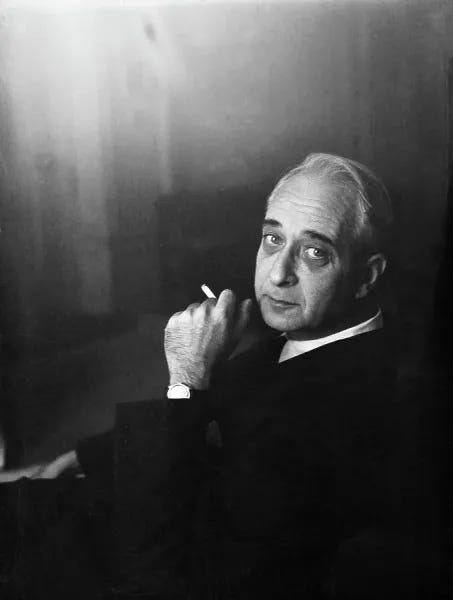
In an age that worships at the altar of the “authentic self,” where “living your truth” has become the highest moral imperative, a voice from the mid-20th century offers a chilling prophecy. The literary critic Lionel Trilling saw the dark underbelly of our modern obsession long before it became a cultural mandate. He warned that the relentless quest for an unfiltered, genuine self, far from being a path to liberation, was a gilded cage. This pursuit, he argued, traps the individual in a labyrinth of self-obsession, corrodes our capacity for empathy, and ultimately detaches us from the very communal values that give life meaning. Trilling’s work is not merely a historical curiosity; it is an urgent diagnosis of a contemporary malady, revealing how our fixation on authenticity can become a sophisticated form of narcissism, undermining the very fabric of society.
The Historical Roots of a Modern Obsession
Trilling’s critique is rooted in a profound understanding of a cultural shift that began centuries ago. His insights reveal that the pursuit of authenticity, while initially aimed at fostering genuine self-discovery, can inadvertently trap individuals in a cycle of narcissism. He argues that the intense focus on one’s inner life may diminish the capacity for empathy and connection with others, ultimately undermining the social fabric. Critics such as Christopher Lasch and Allan Bloom have echoed these concerns, highlighting how an overemphasis on personal authenticity can detract from altruism and broader societal engagement.
The Shift in Narrative and Historical Awareness
In the late 18th and 19th centuries, a significant transformation occurred in the way history was understood and narrated. With the decline of religious narratives that provided clear beginnings, such as the creation stories found in biblical texts, there arose a need for new forms of storytelling that could offer the same authenticity and grounding in human experience. This shift is characterized by a growing emphasis on narrative history, which aimed to recapture the “sharp and positive beginnings” once thought essential for an authentic account of the world. The death of traditional narratives created a void that history sought to fill, leading to a flourishing of narrative forms that engaged with the complexities of human experience.
Authenticity and the Individual Experience
The cultural milieu of the 20th century became increasingly obsessed with the notion of authenticity, which emerged as a vital criterion both in personal life and in the arts. This obsession can be seen in literature, where a marked reduction in the status of narration reflects a wider existential inquiry into the nature of reality and truth. Unlike earlier novelists such as Henry James, who embraced storytelling for its own sake, contemporary writers often
