


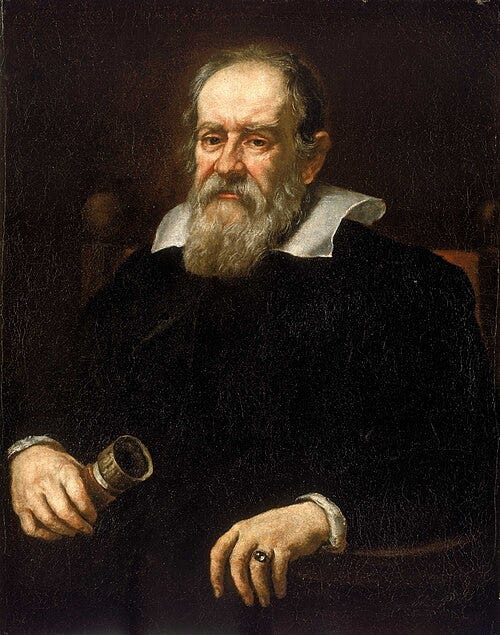
In an age obsessed with disruption and radical change, we have forgotten a fundamental law of power: you cannot meaningfully alter a system you do not first understand. We are told to move fast and break things, to tear down old structures without ever having studied their blueprints. It is into this modern chaos that the voice of Galileo Galilei echoes from the 17th century, bearing a chillingly relevant warning encapsulated in a simple phrase: “You have to learn the map of the world before you can try to change it.” This was not the advice of a timid conservative, but the hard-won wisdom of a revolutionary who understood that true transformation is not an act of ignorant demolition, but of profound and painstaking comprehension.
The quote attributed to the renowned Italian astronomer, physicist, and philosopher (1564–1642), encapsulates his belief in the importance of understanding existing knowledge before attempting to instigate change. This phrase reflects Galileo’s broader philosophical approach during the Renaissance, a period marked by a revival of inquiry and a significant shift toward empirical observation in the sciences. His contributions, particularly in astronomy and physics, laid the foundation for modern scientific methodology and challenged the geocentric view of the universe, advocating instead for the heliocentric model proposed by Nicolaus Copernicus.
Galileo’s work, including seminal texts such as “Dialogue Concerning the Two Chief World Systems,” brought him into direct conflict with the Catholic Church, which viewed his support for heliocentrism as a direct challenge to its authority. This conflict culminated in his trial by the Inquisition in 1633, where he faced condemnation and house arrest, marking a pivotal moment in the historical relationship between science and religion. The repercussions of this clash not only shaped Galileo’s legacy but also influenced the development of scientific thought, highlighting the tensions between empirical inquiry and established beliefs.
