


We live in an age that worships productivity, an era governed by the relentless logic of the algorithm and the balance sheet. In this world, play is often relegated to the margins—a childish frivolity, a guilty pleasure, or a commodified distraction. But what if this dismissal of play is not a sign of maturity, but a symptom of a deep cultural sickness?
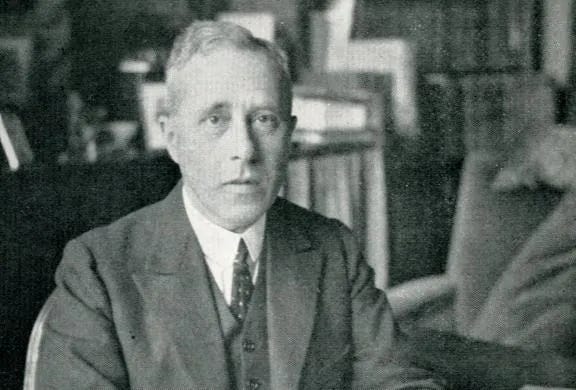
Decades before our current obsession with optimization, the Dutch historian and cultural theorist Johan Huizinga offered a chilling diagnosis: a society that forgets how to play is a society that is forgetting how to be human. He argued that the steady erosion of the playful spirit threatens the very foundations of creativity, community, and civilization itself.
The Core Argument: Play as Culture’s Foundation
Johan Huizinga contends that the diminishing role of play in contemporary society poses a significant threat to the foundations of culture and creativity. In his influential work, Huizinga argues that play is not merely a leisure activity, but a vital component that shapes various cultural forms—including language, law, and art. He emphasizes that play has historically been intrinsic to human civilization, serving as a natural expression of humanity and a framework within which societies have developed and flourished.
Despite its fundamental importance, Huizinga observes a concerning decline in play since the 18th century, as modern society increasingly prioritizes seriousness, productivity, and utilitarianism over playful engagement. This shift threatens not only individual well-being but also the social fabric, impairing essential skills such as cooperation, empathy, and resilience. Huizinga’s critique highlights how this erosion of play can lead to a loss of the playful spirit that has historically enriched cultural practices and community interactions.
Moreover, Huizinga argues that the contemporary commodification of play—seen in organized sports and gamification—reflects both the enduring necessity of play in fostering social connections and the challenges it faces in a rationalized world. He warns that without a conscious effort to re-integrate
