


Picture your morning ritual. The gentle hum of the coffee maker, the specific way you fold your clothes, the precise angle at which you place your keys by the door. These are not merely practical steps in a routine; they are micro-decisions, each carrying an aesthetic resonance. We often relegate “aesthetics” to the grand canvases of art galleries or the sweeping scores of symphonies. But what if the true canvas of our aesthetic life is far more intimate, far more pervasive?
It’s in the careful arrangement of a meal, the tidiness (or chaos) of a workspace, the thoughtful presentation of a gift. These mundane interactions with our surroundings might seem insignificant, mere footnotes in the grand narrative of our lives. Yet, they possess a quiet, almost imperceptible power. They are constantly molding us, shaping not just our immediate experience, but the very fabric of our moral character.
Are we truly conscious of this continuous shaping? Do we recognize the subtle war for our inner landscape being waged not by external forces, but by the myriad small choices we make in our daily existence?
The Pervasive Brushstrokes of Everyday Aesthetics
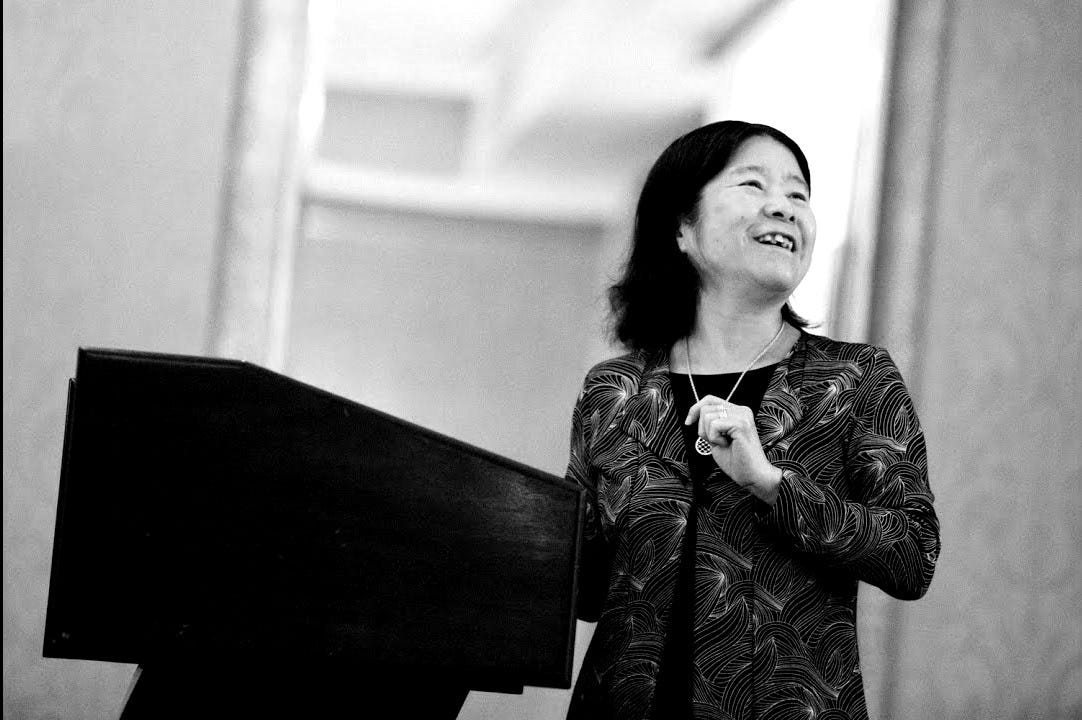
The philosopher Yuriko Saito, a leading voice in the field, has meticulously shown how aesthetics permeates every corner of our daily lives, far beyond the confines of traditional art. For Saito, everyday aesthetics invites us to appreciate the aesthetic qualities of ordinary objects and events – the feel of a well-worn book, the scent of fresh laundry, the rhythm of walking through a park.
This isn’t about grand beauty, but about noticing. It’s about how the world presents itself to us, and how we, in turn, choose to engage with it. Do you simply consume your morning toast, or do you appreciate the golden crispness, the art of its preparation? Do you rush past a neatly swept street, or do you register the care that went into it?
These aren’t superficial observations. They are exercises in attention, in presence, in sensitivity. And it is this cultivation of sensitivity that forms a critical bridge to our moral selves.
From Perception to Principled Living
Why does paying attention to the aesthetics of a mundane chore matter morally? Because our capacity for aesthetic appreciation is inextricably linked to our capacity for ethical perception. When we train ourselves to notice the nuances of our environment, we are simultaneously honing our ability to perceive the nuances in human interactions, in ethical dilemmas, and in the impact of our actions.
Consider the person who habitually leaves a trail of mess, who takes pride in sloppiness. What does this communicate about their respect for shared spaces, for others’ efforts, or even for their own future self? Conversely, the person who cultivates an aesthetically pleasing routine – not for show, but for internal satisfaction – often embodies qualities that extend far beyond mere tidiness.
These small acts are not just about neatness; they are about care. They are about:
Mindfulness: Being present and attentive to the task at hand.
Respect: Valuing the object, the space, and those who share it.
Responsibility: Taking ownership of one’s environment and actions.
Deliberation: Making conscious choices rather than acting out of mere habit or impulse.
These are not just aesthetic virtues; they are moral virtues in disguise.
The challenge of everyday aesthetics, then, is to cultivate an appreciative attitude toward the myriad qualities and events in our daily life and to integrate them into a more meaningful and satisfying existence.
— Yuriko Saito
The Unseen Architecture of Character
The way we choose to sculpt the aesthetic details of our daily lives crafts the very architecture of our moral character. This is the profound connection: our aesthetic sensibilities do not merely reflect our character; they actively forge it. If we consistently engage with our environment with indifference, expecting only utility, we risk cultivating an indifferent spirit. If we seek beauty, order, and thoughtfulness in the small things, we nurture a spirit capable of seeking these same qualities in larger ethical landscapes.
A well-ordered life, aesthetically speaking, can foster patience, discipline, and a sense of calm. A chaotic one, conversely, might breed impulsiveness, frustration, and a lack of foresight. These aren’t just personality traits; they are deeply ingrained moral dispositions that influence how we treat ourselves, our loved ones, and the broader world.
Sow a thought, reap an action; sow an action, reap a habit; sow a habit, reap a character; sow a character, reap a destiny.
— Charles Reade
Conscious Crafting: Reclaiming Our Moral Landscape
The good news is that this shaping is not inevitable or immutable. We have the power to consciously engage with the aesthetics of our routines to cultivate the moral character we aspire to. It begins with awareness, with pausing to notice, to appreciate, to refine.
Here are a few ways to begin:
Mindful Mornings: Turn your morning coffee or tea ritual into an aesthetic experience. Notice the steam, the aroma, the warmth of the mug. Prepare it with intention.
Orderly Spaces: Spend five minutes each day tidying a small area of your home or workspace. Not just cleaning, but arranging with an eye for harmony.
Thoughtful Consumption: When eating, plate your food beautifully. Appreciate the colors, textures, and flavors. Eat slowly, savoring the experience.
Intentional Movement: When walking, notice the patterns in the pavement, the changing light, the sounds around you. Engage with your surroundings rather than passively moving through them.
These are not grand gestures, but consistent, gentle acts of aesthetic cultivation. Each small decision to bring beauty, care, and attention into the mundane reinforces moral muscles: patience, diligence, empathy, and respect. It’s a continuous, invisible war for your moral mind, fought one aesthetic choice at a time.

The Art of Being
The aesthetics of your everyday routine is more than just surface polish; it is a profound journey of self-sculpture. By consciously engaging with the beauty, order, and care in our daily lives, we are not merely making our world prettier; we are making ourselves better. We are cultivating a heightened sense of awareness, a deeper capacity for appreciation, and a more robust moral compass. It reminds us that every single interaction, no matter how small or seemingly insignificant, carries the potential to elevate or diminish us. The art of living, then, is truly the art of being, meticulously crafted in the quiet aesthetics of our everyday.
oh our modern adam smith
Erinnert mich an Platons ästhetische Ethik. Sehr lesenswert