


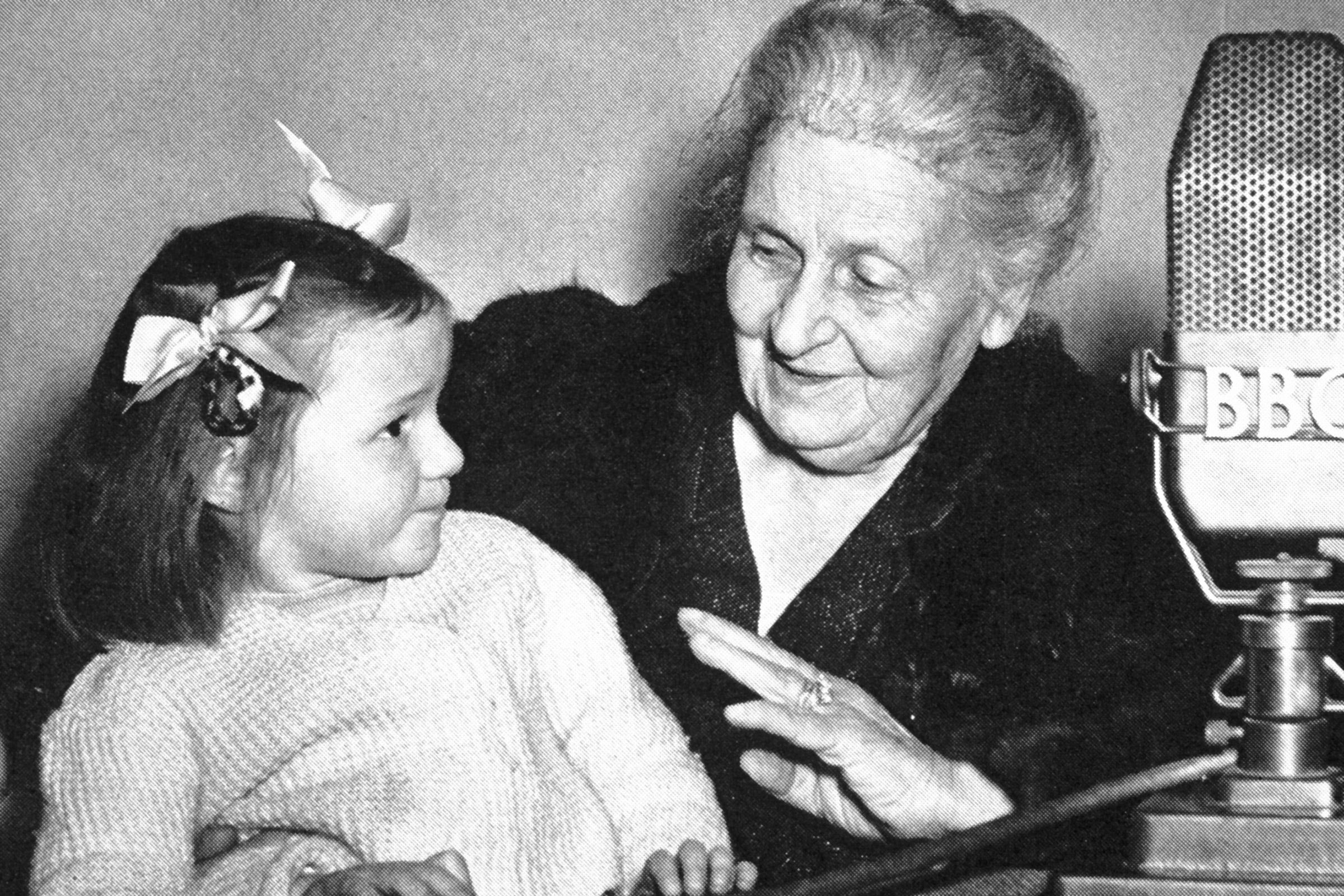
Consider the child of today. Bright-eyed, curious, filled with an insatiable drive to explore. We, as parents and educators, declare our ambition: to raise independent, critical thinkers capable of navigating an ever-complex world. We enroll them in programs, equip them with gadgets, and tirelessly guide their steps towards an envisioned future.
But pause for a moment. Look closer at the systems we’ve built around them, the frameworks that govern their days from dawn until dusk. Are these truly blueprints for independence? Or are they, beneath a veneer of progress, subtly shaping something else entirely?
What if the very structures we believe foster freedom are, in fact, laying the groundwork for compliance? What if, in our earnest desire to prepare children for society, we are inadvertently extinguishing the very spark of self-direction that defines true liberation?
This isn’t a new dilemma. Over a century ago, an Italian physician, Maria Montessori, witnessed this fundamental tension. She saw the profound mismatch between the child’s innate drive for self-construction and the adult-centric world’s demand for conformity. Her response was not just a new method of teaching, but a radical vision for what childhood could and should be: a period of intense, self-directed creation, leading not to obedience, but to genuine freedom.
The Paradox of the “Independent” Child
We champion independence, yet our schools are often places of rigid schedules, uniform tasks, and top-down instruction. We want critical thinkers, but penalize deviation from prescribed answers. We speak of self-reliance, then intervene at the slightest sign of struggle, removing the very opportunities for a child to discover their own capabilities.
The truth is often uncomfortable: We believe we are raising independent children, but our systems are designed to create obedient workers. From the earliest stages of formal education, children learn to wait their turn, follow instructions, and suppress their individual pace for the sake of group cohesion. These are valuable traits for industrial efficiency, perhaps, but are they the hallmarks of a “free human”?
This isn’t a conspiracy; it’s an inherited paradigm, deeply ingrained and rarely questioned. We operate under the assumption that adulthood is about fitting into pre-existing molds, and childhood is merely the training ground. But what if this assumption is fundamentally flawed?
Maria Montessori: A Revolutionary Guide, Not Just a Method
Maria Montessori was a scientist, not just an educator. She observed children with an almost spiritual reverence, recognizing in them an inner wisdom, a “secret of childhood,” that had been largely ignored. She didn’t invent a curriculum; she discovered how children naturally learn, grow, and build themselves.
Her approach was never just about didactic materials or a calm classroom. It was a profound philosophical shift: Montessori’s philosophy is not about education; it’s a revolutionary guide to liberating human potential from the ground up. It’s about respecting the child as a complete human being from birth, endowed with immense potential and an innate drive for purposeful activity.
She understood that children are not empty vessels to be filled, but active architects of their own intelligence, character, and spirit. This radical insight demanded a radical response: an environment designed not to teach, but to serve the child’s natural development.
The child, in fact, is a marvelous creature, and though he may be a mystery to us, we must respect him as such.
— Maria Montessori
The Absorbent Mind and the Prepared Environment
Montessori introduced two groundbreaking concepts that form the bedrock of her lost blueprint:
The Absorbent Mind: From birth to age six, a child possesses an extraordinary capacity to absorb information from their environment effortlessly and unconsciously, much like a sponge. This isn’t just about facts, but about language, culture, values, and an understanding of the world. It’s a period of intense inner construction.
The Prepared Environment: Recognizing the power of the absorbent mind, Montessori argued for an environment meticulously designed to meet the child’s developmental needs. This isn’t just a tidy room; it’s a carefully arranged space filled with purposeful activities that invite exploration, self-correction, and mastery. It minimizes adult interference, allowing children to follow their inner guide.
In this prepared environment, the adult’s role shifts dramatically. They are no longer the primary dispenser of knowledge, but a humble guide, an observer, and a protector of the child’s work. They prepare the space, introduce the tools, and then step back, trusting the child’s innate drive to learn.
Reclaiming Freedom: A Blueprint for Self-Construction
So, how does this translate into raising “free humans”? Montessori’s blueprint champions a childhood that prioritizes self-construction over imposed instruction. It’s about cultivating inner discipline, not external control.
Here are some of its practical insights:
Freedom of Choice: Within limits, children are given the freedom to choose their activities, allowing them to follow their interests and build concentration. This fosters intrinsic motivation, a cornerstone of true freedom.
Uninterrupted Work Cycle: Children are allowed long periods of uninterrupted work, enabling them to delve deeply into tasks, solve problems, and achieve a state of flow crucial for deep learning and self-mastery.
Self-Correction: Materials are designed with a “control of error,” meaning the child can discover and correct their own mistakes without adult judgment. This builds resilience, problem-solving skills, and self-reliance.
Practical Life Skills: Children are actively involved in real-world tasks – preparing food, cleaning, caring for plants. These activities build coordination, concentration, independence, and a sense of contribution.
Our aim is not only to make the child understand, and still less to force him to memorize, but so to touch his imagination as to enthuse him to his innermost core.
— Maria Montessori
This isn’t just about academic success; it’s about developing a robust inner life, a strong sense of self, and the confidence to navigate the world on one’s own terms. It’s about the child becoming a “master of himself,” rather than a product of external forces.
Perhaps the true measure of our progress isn’t how efficiently we educate, but how profoundly we empower the innate, self-constructing genius of every child.
Unlock deeper insights with a 10% discount on the annual plan.
Support thoughtful analysis and join a growing community of readers committed to understanding the world through philosophy and reason.
The Path Forward: Resurrecting a Lost Blueprint
The “end of childhood” as a period of unbridled, self-directed development is a concept many find uncomfortable. It challenges deeply held beliefs about our role as adults, about the nature of learning, and about what it means to be ready for the future.
Yet, Montessori’s blueprint offers a profound alternative to the prevailing narrative. It’s not just a niche educational philosophy; it’s a timeless guide to nurturing humans who are not merely obedient, but truly free – individuals capable of original thought, compassionate action, and a profound sense of purpose.
Re-examining Montessori’s vision means more than just opening a few more schools. It means a fundamental re-evaluation of our approach to human development itself. It’s an invitation to trust the child, to prepare environments that nourish their inner life, and to step back, allowing them the space to construct not just themselves, but perhaps, a more liberated future for all of us.
“Schools serve the same social functions as prisons and mental institutions- to define, classify, control, and regulate people.”
― Michel Foucault
Very interesting