


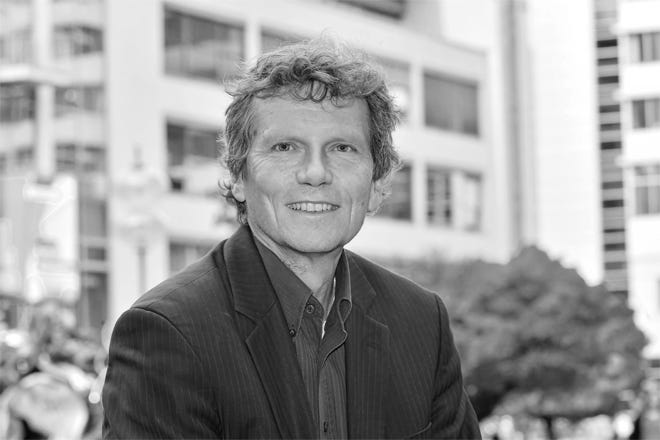
There is a silent hum beneath the surface of modern life—a relentless frequency of acceleration that promises efficiency but delivers a profound sense of disconnection. We optimize our schedules, streamline our communications, and chase productivity, only to find ourselves feeling strangely hollow, as if we are moving through the world without truly touching it. We have become ghosts in our own lives, haunted by the feeling that something essential has been lost. It is this pervasive, unspoken crisis that German sociologist Hartmut Rosa confronts, offering not another life hack, but a radical diagnosis and a forgotten cure: the cultivation of ‘resonance.’
The Diagnosis: A World Out of Sync
Hartmut Rosa, a prominent German sociologist, has extensively explored the concepts of social acceleration and resonance in relation to contemporary life. His work critically examines the accelerating pace of modernity, which he argues can lead to alienation and disconnection within society. Rosa contends that individuals are increasingly caught in a cycle of speed and efficiency, which undermines their capacity for meaningful engagement with the world around them. He argues that we inhabit a “platform” society where both public and private spheres are deeply intertwined with digital and technological frameworks. This entangled nature of the material and digital, alongside the human and machine interactions, underscores the urgency of understanding how these dynamics influence our experiences and societal structures.
Rosa posits that the relentless pace of life can undermine meaningful connections, as individuals become ensnared in a cycle of speed and efficiency that prioritizes control over genuine interaction. He critiques contemporary capitalist structures for fostering aggressive and growth-oriented dynamics that diminish the potential for resonance, suggesting that these systems create an environment where mutual responsiveness between individuals and their surroundings is stifled. Additionally, Rosa emphasizes the need to acknowledge the inherent unpredictability of the world, arguing that attempts to impose total control can exacerbate feelings of fragility and disconnection. This recognition of limits, he asserts, is essential for cultivating a sense of openness and appreciation for the world’s “gifts” and disruptions, thereby fostering a more resonant relationship with our environment.
The Theoretical Cure: A Sociology of Connection
Hartmut Rosa’s work introduces the concept of “resonance” as a critical theoretical foundation for understanding the complexities of modern life. He argues that the quality of human life should not solely be assessed through metrics of happiness or material wealth, but rather through the depth of one’s relationship with the world. Resonance is characterized as a transient state of meaning that emerges from interactions with our environment, rather than a fixed condition of well-being. In response to the detrimental effects of an accelerating society, he advocates for fostering resonance—a
