


We live in an age that worships flexibility, a world where the gig economy is sold as liberation and short-term contracts are framed as entrepreneurial freedom. Yet beneath this veneer of empowerment lies a gnawing anxiety, a sense of perpetual instability that leaves us feeling transient, replaceable, and fundamentally unmoored. The sociologist Richard Sennett diagnosed this condition decades ago, revealing how the very architecture of modern work is designed to corrode the human character, dismantle our personal narratives, and leave behind a disposable self, perpetually adapting but never truly belonging.
Background: The Sociologist of a Fractured World
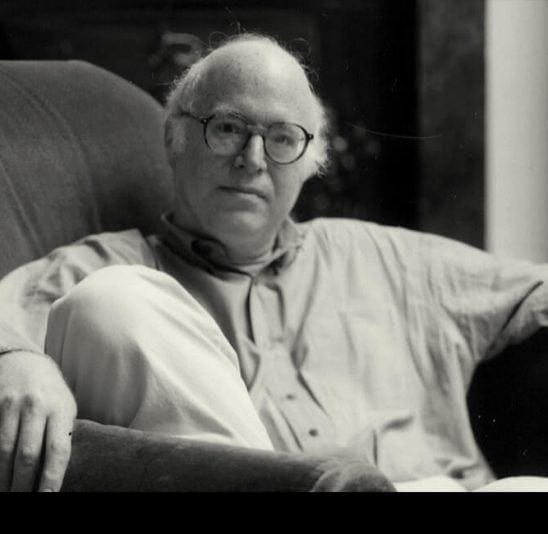
Richard Sennett, an influential sociologist and urbanist, has dedicated over five decades to exploring the intersection of class, capitalism, and urban life. His work emphasizes the experiences of individuals within the complex dynamics of modern cities and the impact of economic systems on personal identity and social relationships. Sennett’s career encompasses roles as a planner, consultant for international bodies, and an author of multiple significant texts that analyze the nature of urban environments and the human condition within them.
A pivotal theme in Sennett’s scholarship is the contrast between traditional work conditions and the flexible, short-term employment models prevalent in contemporary capitalism. He argues that this shift leads to the erosion of long-term narratives and commitments, significantly affecting individuals’ personal identities and their relationships with their communities. The advent of flexible work environments, according to Sennett, diminishes the sense of continuity and belonging that characterized earlier work experiences, resulting in fragmented identities and weakened social bonds.
In his analysis, Sennett introduces the concept of “tacit security,” which refers to the ingrained habits and knowledge that provide individuals with a sense of stability and confidence in their interactions. However, he warns that such security can become a double-edged sword, leading to vulnerability when individuals are confronted with new challenges and uncertainties in their professional lives. This dynamic is particularly pronounced in unequal institutions where fear of risk stifles exploration and adaptability.
Furthermore, Sennett emphasizes the social implications of modern capitalism, such as the emergence of invidious comparisons that arise from a meritocratic society. While intended to promote equality, these comparisons often generate anxiety and feelings of inadequacy among individuals, especially those whose skills and abilities do not conform to conventional metrics of success. Overall, Sennett’s work reveals how the flexibility of modern work not only reshapes the labor landscape but also actively erodes the fabric of personal identity and community life.
The Dynamics of Disposable Work
The Transformation of Employment
The contemporary workforce is increasingly characterized by a state of precarity, where job security is often elusive. As Richard Sennett discusses, the shift towards a “new capitalism” has redefined work from stable and predictable to contingent and insecure, leading to a fragmentation of employees’ professional identities and relationships. This change is exacerbated by various modern factors including job flexibility, technological advancements, and fluctuating employment rates, resulting in a workforce that frequently shifts between roles without the assurance of long-term stability.
The Paradox of Flexibility
The emphasis on flexibility in modern work environments is altering the very meaning of employment. Sennett notes that while flexibility is often presented as a means of empowerment, it simultaneously introduces new forms of control that can be difficult to navigate. Workers are now expected to adapt swiftly to changing demands, which undermines the development of long-term commitments and relationships that were previously foundational to professional life. The once-linear career progression has transformed into a non-linear journey where individuals must continually reinvent themselves to stay relevant in an ever-evolving job market.
The Erosion of Professional Identity
As traditional notions of work evolve, so too do the identities of workers. The shift from long-term mastery to short-term adaptability results in a loss of depth in professional identities, leading individuals to struggle with a coherent sense of self. The traditional work ethic, which prioritized self-discipline and delayed gratification, is being replaced by a new ethos that values adaptability and flexibility above all else. This change has profound implications for how workers view their contributions and personal fulfillment in the workplace.
Psychological and Social Fallout
The psychological toll of instability in employment is significant, fostering a climate of anxiety and insecurity among workers. As job permanence diminishes, individuals find themselves in a constant state of flux, affecting their mental health and social connections. The erosion of stable job paths disrupts the psychological contract between employees and employers,
