


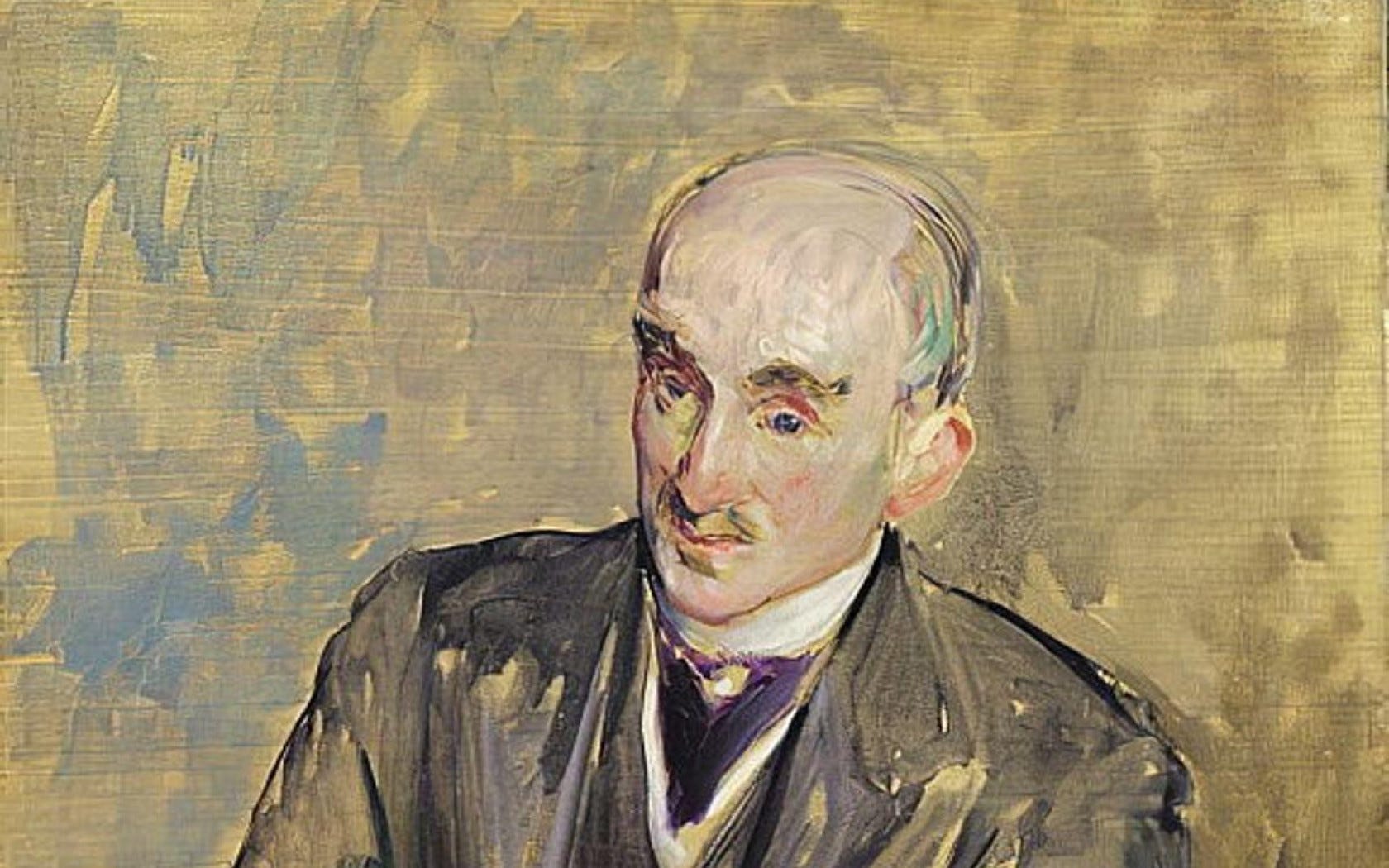
We live our lives by the tick of an invisible master. The clock, a relentless metronome, divides our existence into a series of uniform, interchangeable units—hours to be billed, minutes to be optimized, seconds to be saved. We have become so accustomed to this grid of mechanical time that we mistake it for reality itself. But what if this rigid measurement is a profound illusion, a counterfeit present that alienates us from the very flow of life?
Over a century ago, the French philosopher Henri Bergson issued a chilling prophecy: by surrendering to the tyranny of the clock, we were systematically disconnecting from the true, living river of our own consciousness, trading the depth of experience for the hollow precision of the second.
Bergson’s Concept of Time
Henri Bergson’s philosophy presents a profound critique of the traditional understanding of time, particularly as represented by mechanical clock time. His central idea is encapsulated in the distinction between two modes of time: “clock time” and “lived time,” which he refers to as “duration”.
Clock Time vs. Lived Time
Clock time is the abstract, quantifiable measure of time that we often rely on in everyday life and scientific practice. It divides time into discrete, identical units, allowing for precision but often at the expense of capturing the richness of human experience. According to Bergson, this mechanistic view fails to account for the fluid, continuous, and qualitative nature of lived time. He argues that our genuine experience of time is more dynamic and intertwined with consciousness, a perspective that emphasizes change and the interconnectedness of moments rather than their isolation.
