


For centuries, we’ve learned to draw the world with crisp, decisive lines. Nations, states, territories—each a self-contained unit, sovereign within its borders, commanding the singular allegiance of its people. This map, so familiar, so fundamental to our understanding of global affairs, feels immutable, eternal even. But what if it’s not? What if this entire arrangement, this “modern state system” we’ve taken for granted, is nothing more than a historical flicker, a brief anomaly in the grand sweep of human organization?
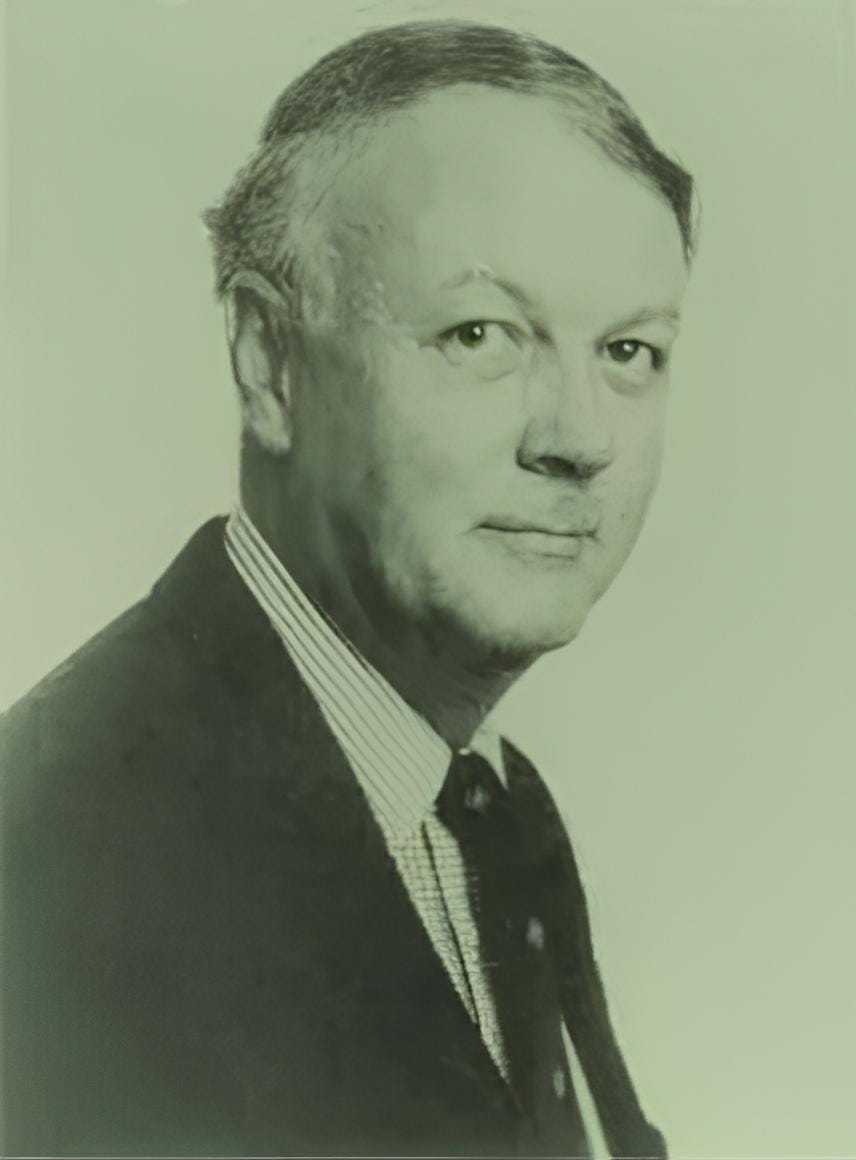
Enter Hedley Bull, a giant of international relations theory, who back in 1977 dared to suggest something profoundly unsettling: the system was already decaying. He didn’t just see cracks; he foresaw a return to something far older, far messier. A “new Middle Ages.” A world where the state’s grip would loosen, and power would scatter, creating a complex tapestry of overlapping authorities reminiscent of medieval Europe.
Are we living his prediction? Look around. The signs are everywhere. The clean lines of the atlas are lies, a comforting fiction masking a volatile, complex truth. Welcome to the future Hedley Bull envisioned, a future that is very much our present.
The Westphalian Anomaly: A Brief, Glorious Reign
The Peace of Westphalia in 1648 is often cited as the birth of the modern nation-state. It enshrined the principle of sovereignty: that each state has exclusive jurisdiction over its territory and domestic affairs, free from external interference. This gave us the familiar world of distinct countries, each with its own flag, army, and monopoly on power and allegiance.
This system, though, was not the default. For most of human history, power was distributed, fragmented. Empires, feudal lords, religious authorities, burgeoning cities—all vied for influence and loyalty within fluid, often undefined territories. The Westphalian model, with its emphasis on singular, territorial sovereignty, was a radical departure, a historical experiment.
Hedley Bull understood this. He didn’t see the modern state as the apex of political evolution, but as an unusual, perhaps temporary, phase. We are, in fact, exiting this Westphalian era, and the shift is as fundamental as it is disorienting.
The modern state system is not an eternal nor a universal one; it is an historical phase, a particular way of organizing human society.
— Hedley Bull
Cracks in the Edifice: The Erosion of State Power
So, what’s causing this erosion? Why is the neat, Westphalian world crumbling? The reasons are multifaceted, relentless, and increasingly apparent:
Unstoppable Flows: Nation-states are increasingly unable to control information or capital flows. The internet ignores borders, cryptocurrency transcends national currencies, and global markets operate at a speed that renders traditional state controls obsolete.
Globalism Fatigue vs. Local Reality: While global forces pull us together, there’s a growing backlash, a desire for local control, identity, and protection. This tension between the global and the local creates friction the state struggles to manage.
Rising Non-State Actors: Corporations with economies larger than many countries, powerful NGOs, international criminal networks, cyber groups, and even global terror organizations now exert significant influence. These actors operate across borders, challenging the state’s traditional monopoly on force and legitimacy.
The Map is No Longer the Territory: The lines on the atlas suggest clear, impenetrable boundaries. But in reality, power, influence, and even authority flow freely across these lines, creating overlapping zones of control and competition.
The clean lines of the atlas are lies. The state’s monopoly on allegiance is broken, replaced by a bewildering array of demands on our loyalty, resources, and attention. This isn’t just about geopolitics; it’s about your everyday life.
Welcome to the New Middle Ages: A World of Overlapping Loyalties
Bull predicted that the future would resemble the Middle Ages, not in terms of technological regression, but in its political complexity. Imagine a medieval peasant who owed fealty to a local lord, paid tithes to the Church, was subject to the king’s distant decrees, and perhaps followed the customs of a merchant guild. No single, supreme authority. That’s where we’re headed.
Overlapping authorities are the new normal. You serve multiple masters now. Your loyalty isn’t just to your passport; it’s to your employer, your digital community, your chosen global causes, your regional identity, and countless other affiliations. These “complex loyalty stacks” replace the simple patriotism of the Westphalian ideal.
The state is just one landlord among many in this burgeoning neomedieval landscape. It collects taxes, provides some services, but its claim to absolute authority and undivided loyalty is increasingly challenged. Sovereignty itself is fractional again, distributed among various state and non-state actors.
The challenge to sovereignty comes from both above and below, from the global and the local, and from non-state actors operating across these levels.
— Barry Buzan (referencing Hedley Bull’s insights)
The clean lines of the atlas are lies, and adjusting your mental map to this neomedieval reality is no longer optional, but essential for survival.
Unlock deeper insights with a 10% discount on the annual plan.
Support thoughtful analysis and join a growing community of readers committed to understanding the world through philosophy and reason.
Navigating the Neomedieval Labyrinth
Hedley Bull saw this coming in 1977. We are living his prediction. The era of the single passport, the monolithic nation-state, is receding into history. Power is messy again, distributed and contested. It’s not chaos, in the traditional sense, but a profound increase in complexity, a labyrinth of shifting allegiances and influences.
To survive and thrive in this emerging order, we must first recognize the shift. Stop clinging to the illusion of simple state control. Understand that you are part of an intricate web, serving multiple masters, navigating overlapping jurisdictions. Your identity, your security, your economic future—all are shaped by forces both national and beyond.
Adjust your mental map. Embrace the complexity. The future isn’t about stronger borders, but smarter navigation of a world where borders are permeable, and authority is shared. The Neomedieval Age isn’t a historical footnote; it’s the present, demanding a new way of thinking, a new way of being.
Order was promised for loyalty.
Power dispersed. Allegiance fractured.
We live among many sovereignties.