


There is a specific kind of tired that gets answered with “you just need to rest,” and something in you goes quiet at hearing it. Not relieved. Quiet the way a room goes quiet when someone says something that isn’t false exactly, but isn’t the point either, and you decide it isn’t worth arguing about tonight.
You go home. You lie down. You do the thing you were told to do. And three days later you feel worse, not because rest failed you, but because you were never actually resting. You were being managed.
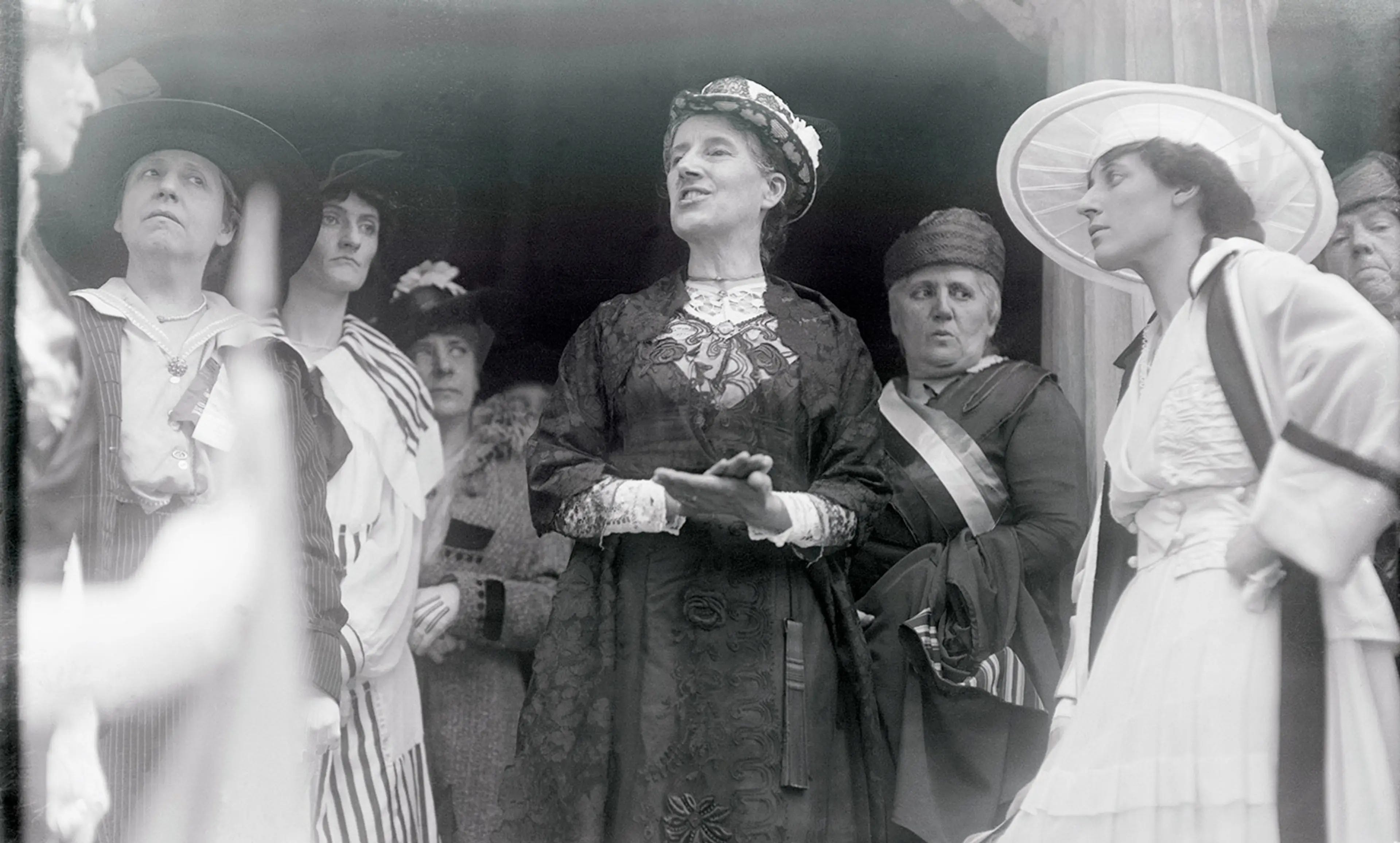
In 1887, a doctor named Silas Weir Mitchell prescribed Charlotte Perkins Gilman a version of exactly this. No writing. No reading beyond two hours a day. No intellectual work of any kind. Live as domestic a life as possible, he told her, and never touch pen, brush, or pencil again as long as you live. She followed the instructions for months and came, by her own account, close to losing her mind entirely. She recovered by doing the opposite of everything he’d prescribed. She went back to work.
The rest cure was never designed to heal her. It was designed to make her stop being inconvenient.
That’s the part worth sitting with. Mitchell wasn’t a villain twirling a mustache. He believed, sincerely, that intellectual ambition in women produced exhaustion, and that the cure for exhaustion was its removal. The advice sounded medical. It functioned as containment. A woman who wanted to think, write, and argue was quietly redefined as a woman who needed to stop.
Here is the question that follows you out of that history and into this week: what modern instruction to “just relax,” “just let it go,” “just protect your peace” is doing the same thing, dressed in the softer language of wellness?

Not all of it, obviously. Some rest is rest. But some of it arrives suspiciously conveniently, aimed at the exact moment you were about to assert something, ask for something, or make someone else’s life slightly less comfortable. The advice to disengage lands hardest on the person whose engagement was becoming a problem for somebody else.
Gilman’s insight wasn’t that rest is bad. It’s that rest can be counterfeited, and the counterfeit is engineered to look identical to the real thing from the outside. The tell isn’t how peaceful you feel. It’s who benefits from your stillness.
That question, once you actually ask it about your own week, doesn’t stay contained to Victorian medicine. It starts showing up in therapy language, in HR language, in the friend who tells you to “just let it go” right before you were going to say the thing that needed saying. Next week we go looking for it there. Not the history of a doctor and his notebook, but the modern architecture of being told, gently and repeatedly, to stop.
We’re not naming it yet. You’ll know it when you see it.
That’s the trouble with counterfeit rest. It doesn’t announce itself. It just asks you to be smaller, and calls it healing.
Members get the Wednesday deep dive, the Friday episode, and the full archive, and over a few weeks, a working set of tools for telling the rest that restores you from the rest that just makes you easier to manage.